

The Underground Railroad Consortium of New York State (URCNYS) is a network of museums, cultural organizations, historic sites, academics, and community historians preserving and promoting New York State’s abolitionist history. The Consortium planned to modernize its online presence with a website that could function both as an informational site and an archival system for researchers and partners.
Working as a small team, we designed and built a Webflow CMS that enables contributors to publish research, wiki-style pages, and archival entries; map historical sites and routes; and connect content to themes, time periods, and locations. This required integrating Mapbox throughout the site to anchor CMS entries and key sections of the website in GIS data.
UX/UI Designer
Cam Agresta
2024 - WIP
+ Mapbox Integration
The site introduces the Consortium while operating as a living archive. Contributors can publish articles, historic sites, itineraries, events, organizational profiles, and wiki-style pages, all structured as dedicated CMS content types.
Mapbox integrations bring geography into the narrative. Several maps throughout the site surface curated itineraries and help locate member organizations. Most articles and CMS entries include optional GIS fields, anchoring stories to real locations.
An Archive page serves as a cross-collection index of all content. For instance, through a multi-keyword search, visitors can explore organizations, articles, wikis, events, and sites tagged with “Frederick Douglass” and “Niagara County.”
Each CMS type, whether a historical figure, location, period, initiative, organization, or itinerary, has a dedicated design template that gives the Consortium flexibility in how research is published and organized. Webflow reference fields create relationships across entries, enabling a continuous browsing experience throughout the platform.
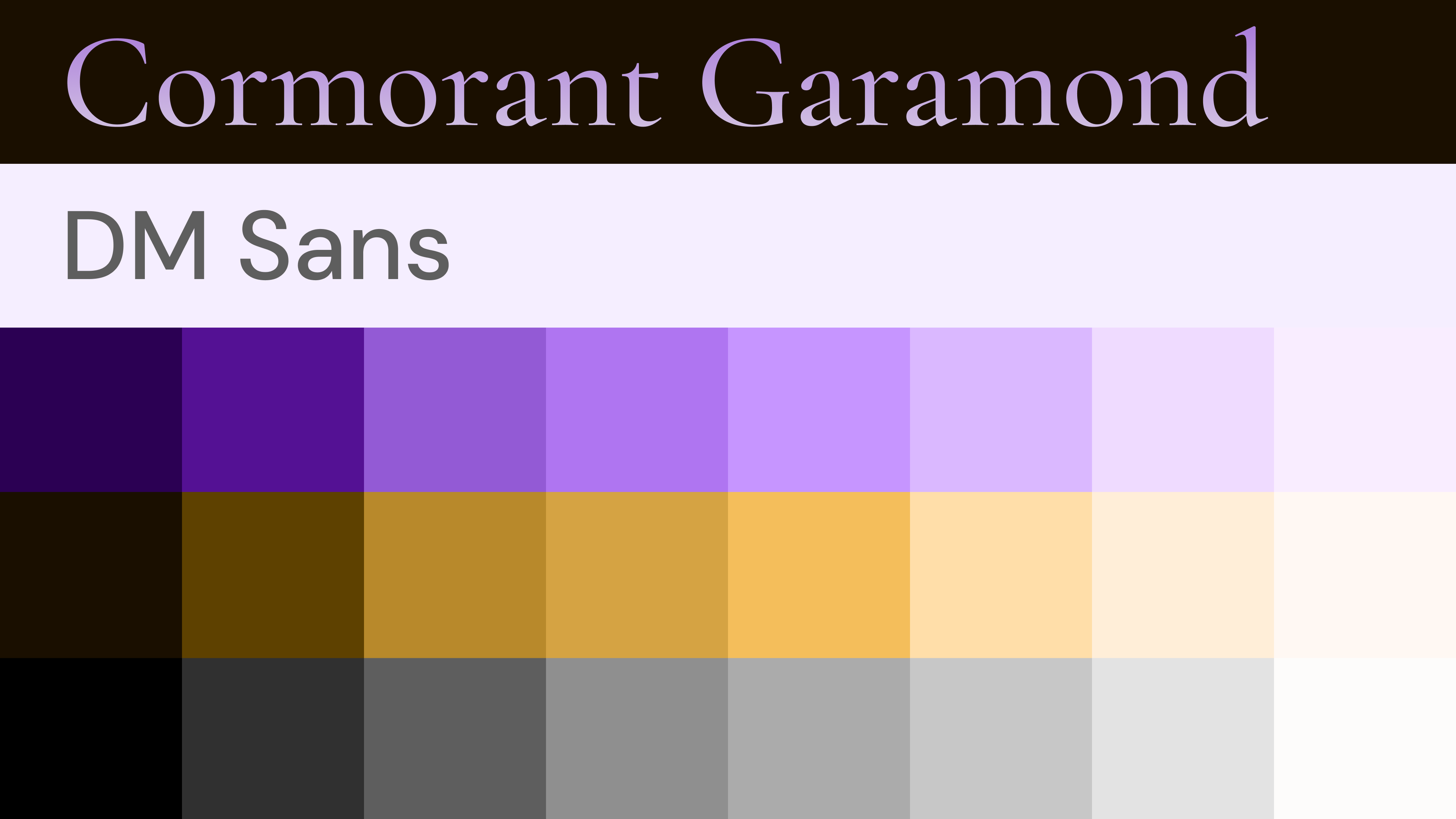
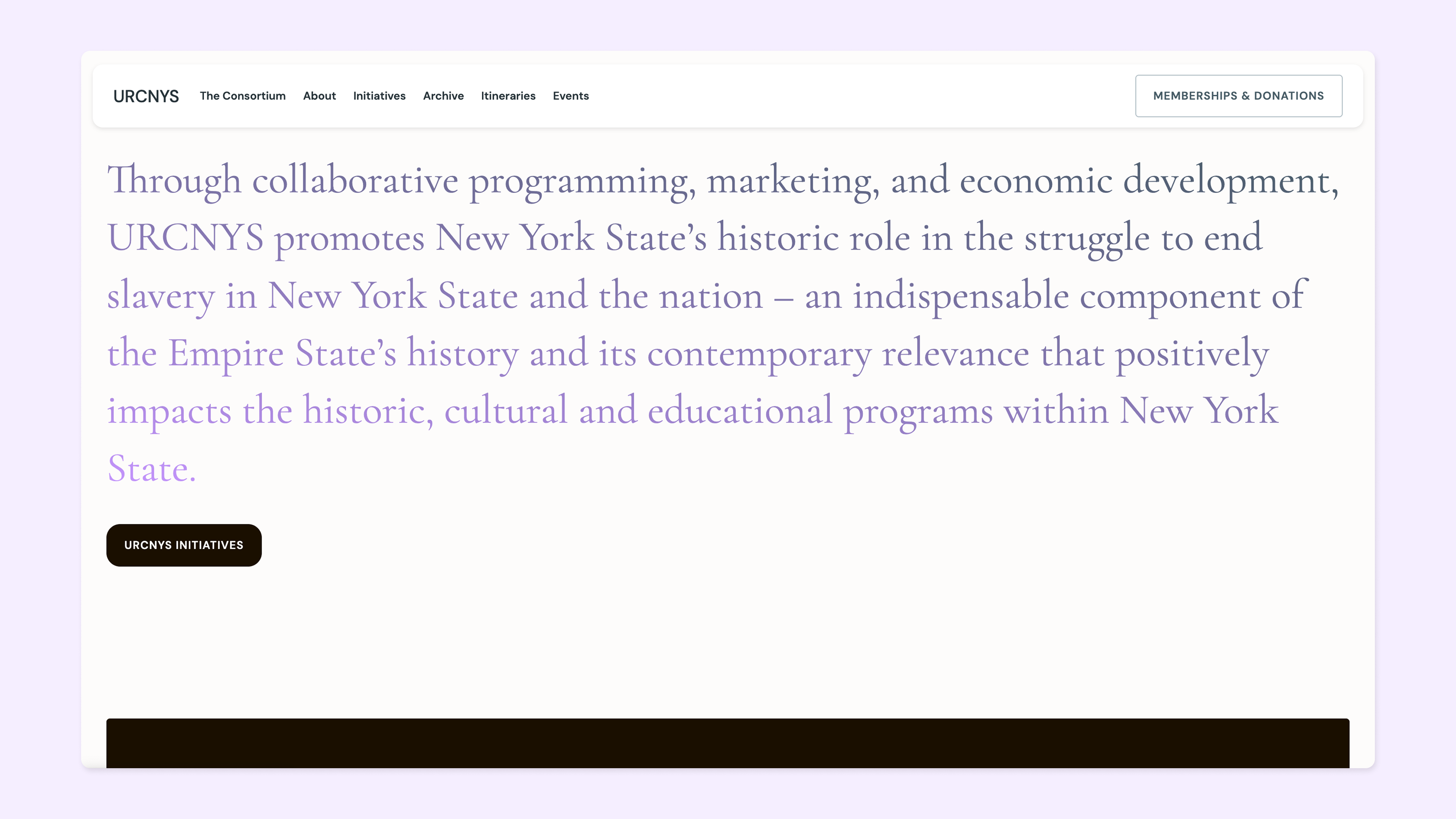
Light updates to the Consortium’s visual identity support a minimal and seamless UI, allowing the CMS structure and content relationships to take precedence.